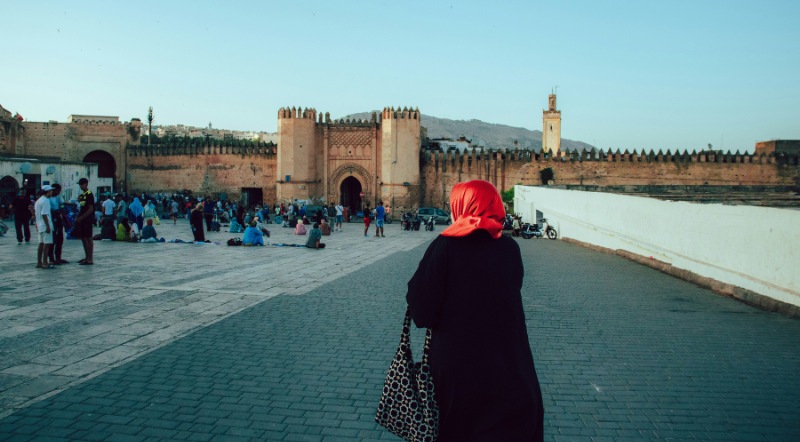
In an era of rapid globalization, the Halal tourism sector has evolved from a niche segment into a global economic powerhouse. According to the latest insights from CrescentRating Academy’s Halal Tourism 101 webinar, international Muslim traveler arrivals reached 176 million in 2024, and are projected to grow to 230 million by 2028.
This article explores how brands can navigate the "Great Disruption" in Muslim consumer behavior by building a foundation through the TRUST Framework and ultimately master the Muslim travel market.
A fundamental shift is occurring in the global market. We are witnessing a "Great Disruption" where traditional marketing levers like price and brand legacy that once dominated consumer decisions are now being overshadowed by a brand’s alignment with personal principles. Research conducted between September and November 2024 reveals that 90% of Muslim consumers in Indonesia and Malaysia prioritize brands that align with their religious values.
Why is this happening now? The surge is driven by two major socio-economic trends:
Middle-Class Growth: Rapid expansion of the Muslim middle class, particularly in Southeast Asia and the Middle East, has increased purchasing power.
Urbanization & Digitalization: Increased urbanization has fostered a digital-first lifestyle, leading to higher expectations for Halal assurance and seamless, tech-driven faith-based services.
For businesses, this means that Halal certification is no longer a "bonus". To truly excel and bridge the gap between brand targets and consumer expectations, companies must engage with the lifestyle and ethical expectations of the modern Muslim traveler.
To better understand and apply a concrete strategy over this disruption, businesses can implement the TRUST Framework, a five-pillar strategy proudly presented by CrescentRating to foster long-term loyalty, which will be explained in the next section.
This framework is a strategic model developed specifically to help brands and service providers engage Muslim consumers beyond simple Halal compliance. It includes five critical drivers of brand loyalty: Transparency, Relevant Products, Unwavering Quality, Social Connection, and Thoughtful Rewards.
Modern consumers are investigators. They look beyond the logo to understand supply chains and ethical practices. Transparency involves being open about ingredients, sourcing, and the "Tayyib" (wholesome/pure) nature of products.
A common mistake brands make is treating the Muslim market as a seasonal opportunity, focusing only on Ramadan or Eid. To be successful, products and services must be integrated into the consumer's daily lifestyle year-round.
While faith drives the initial choice, quality drives the repeat purchase. Interestingly, over 80% of Muslim consumers are willing to pay a premium or switch brands if it means receiving higher quality. Halal status gets you through the door, but excellence keeps you in the room.
Community is at the heart of the Muslim experience. Brands must meet consumers where they live—digitally on platforms like TikTok and Instagram, and physically through local community events.
Loyalty programs remain a powerful tool, but they are evolving. While discounts are appreciated, there is a surge in interest—particularly among Gen Z—in rewards with social impact, such as charitable donations or philanthropic initiatives.
The market is not a monolith, and engagement varies significantly across categories:
High Engagement: Food & Beverages (F&B), personal care, and clothing.
High Investment: Travel, though less frequent, relies heavily on F&B as a core part of the experience.
To target effectively, brands should recognize four key personas:
Digitally Driven Young Adults: Tech-savvy and social-media-influenced.
Young Families (Balanced Urbanites): Seeking convenience and family-friendly environments.
High-Seeking Professionals: Looking for luxury and seamless experiences.
Social-Impact Seniors: Focused on legacy and ethical travel.
The transition from being "Halal-friendly" to "Muslim-centric" requires more than a certificate; it requires a commitment to the values of transparency, quality, and community. By adopting the TRUST framework, travel and hospitality providers can move beyond simple compliance and start building genuine, lasting connections with one of the world's most loyal consumer bases, and secure a place in a market expected to be worth $300 billion by 2026.
Learn more from our Halal Tourism 101 Webinars here