Values, identity, and adaptability are reshaping the Halal tourism market
The Halal tourism market has entered a new phase of maturity. While access to Halal food and prayer facilities remains essential, these elements alone no longer define success. CrescentRating’s recent Halal Tourism 101 webinars revealed that two segments are now driving the evolution of Muslim-friendly travel: women and young Muslims. Their expectations are reshaping how destinations design experiences, communicate value, and build trust.
These travelers are not asking whether a destination is Muslim-friendly; they are asking whether it understands them. And for destinations and tourism businesses, understanding them is no longer optional; it is foundational to future growth.
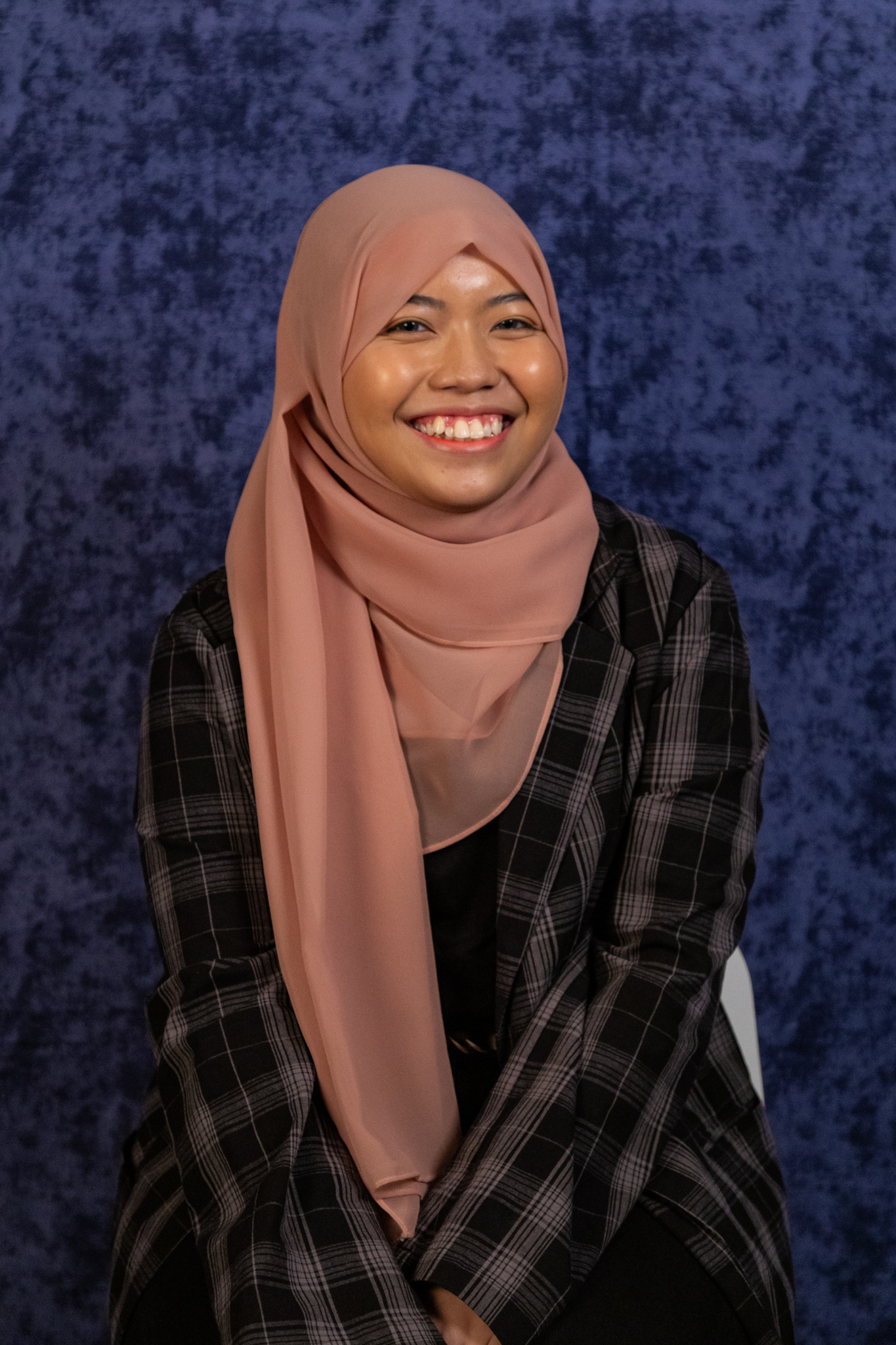
Muslim women represent a substantial and influential segment of the global travel market. They make up nearly half of Muslim travelers worldwide and reflect broader global travel patterns, where women account for the majority of international trips. Considering Muslim women travelers represent two-thirds of all international travelers, ignoring them is not a missed niche opportunity; it is a strategic oversight.
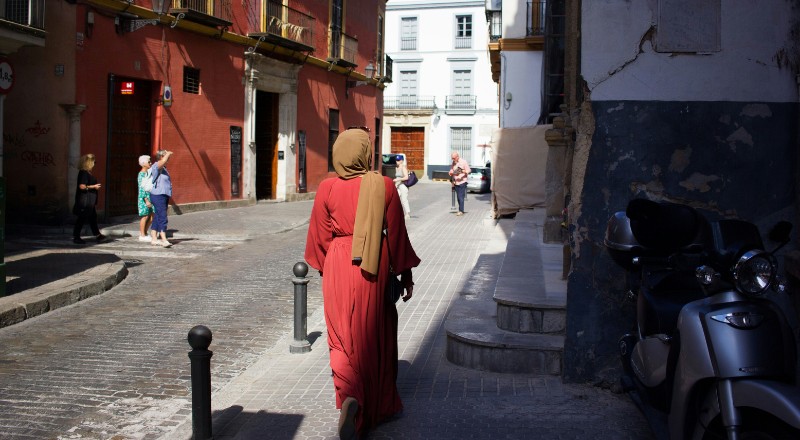
What sets this segment apart is its diversity. Muslim women do not travel in a single, fixed way. They move between different travel modes depending on life stage and purpose, including solo travel, all-female group trips, business travel, and multi-generational family holidays. A destination that assumes one profile risks failing to meet real needs.
Younger Muslim women, particularly those from Gen Z, play an outsized role in shaping travel decisions. Highly digital and socially connected, they influence where families go, where they stay, and how destinations are perceived online. Their reliance on social platforms throughout the travel journey means that representation, tone, and authenticity matter as much as facilities.
For many Muslim women, the decision to travel is shaped as much by perceived barriers as by motivation. Five recurring considerations consistently influence comfort and confidence.
Privacy is fundamental, as modesty is not a constraint but a lifestyle choice for Muslim women travelers. Destinations that fail to provide privacy-friendly recreational spaces or impose restrictions on attire can unintentionally signal exclusion. A lack of privacy options at beaches, spas, or pools can deter travel entirely.
Amenities form the practical foundation of comfort. Access to prayer spaces, water-friendly washrooms, and family-oriented facilities communicates preparedness and respect. When these elements are absent, discomfort extends beyond inconvenience to a sense of being overlooked.
Identity plays a central role. Many women are sensitive to environments where they may feel singled out due to gender, appearance, or ethnic biases. The added component of being a Muslim can add another possible prejudice. Destinations that actively cultivate inclusivity earn deeper trust than those that simply remain neutral.
Networks are increasingly important. Muslim women often seek meaningful connections with local communities, particularly other women. However, information about these networks is rarely visible. Facilitating these connections can create richer, more personal experiences.
Safety is perhaps the most important factor. With rising Islamophobia and prejudices against women and Muslims, Women muslim travelers will seek safe destinations that promise them a secure environment to travel without worry.
Some destinations have moved beyond accommodation toward genuine inclusion.
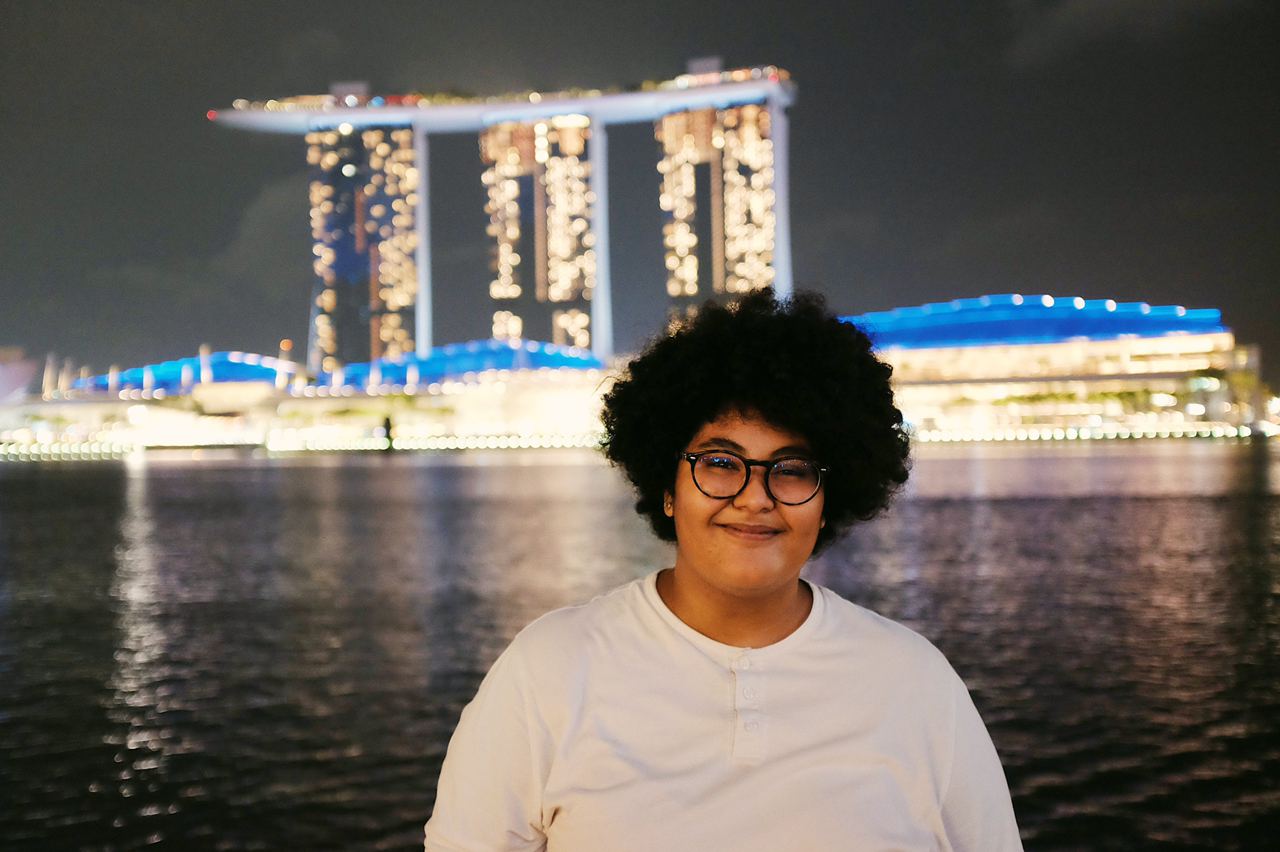
Among non-Muslim majority destinations, Singapore stands out for its clarity, safety, and infrastructure. Hong Kong, Ireland, and Taiwan have also gained traction by improving Halal access and actively communicating their Muslim-friendly offerings.
Within Muslim-majority destinations, Malaysia, Türkiye, and Qatar continue to lead. These countries are attracting younger Muslim women who seek authentic travel experiences in already established destinations, ensuring their core faith-based needs would also be met while they’re exploring.
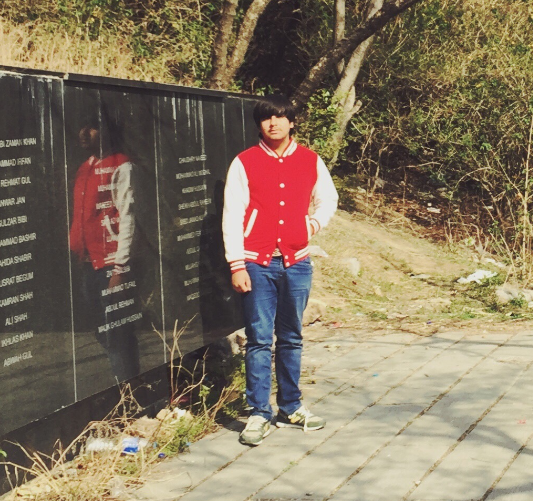
Young Muslim travelers, especially Gen Z, are shaping a new travel mindset defined by balance and intention. This generation is highly adaptable, digitally fluent, and socially conscious, but they are also clear about their boundaries.
Affordability matters, and young travelers approach this as “value for money” rather than simply the cheapest options. Gen Z travelers focus on affordability in terms of experience gained rather than money spent. For example, they are willing to save on flights or accommodation if it allows them to experience and engage more deeply with a destination.
Authenticity is essential. Cultural immersion, local traditions, and everyday experiences are valued more than conventional tourist attractions. For many, eating local food or learning about local customs holds greater appeal than shopping or large-scale entertainment.
Accessibility extends beyond physical infrastructure. Digital accessibility is equally important. Gen Z travelers rely heavily on search engines, social platforms, and online travel agencies to plan and book travel. Destinations that are not visible on these platforms effectively do not exist to this segment.
Adaptability is a defining characteristic. Young Muslim travelers are flexible in how they practice their faith, adjusting when facilities are unavailable. However, this flexibility does not extend to safety or dignity.
While Gen Z Muslims are open-minded and adaptable, there are clear limits. Safety is non-negotiable. Destinations perceived as hostile or unwelcoming quickly lose appeal, regardless of cost or experience.
Sustainability and social responsibility also influence decisions. Many young Muslim travelers prefer locally owned businesses, ethical practices, and environmentally conscious operations. Transparency also matters because travelers want to understand why certain choices cost more and how those choices create a positive impact.
However, the core religious needs of Gen Z Muslim travelers remain a priority. Despite being adaptable, the availability of Halal food, prayer facilities, and water-friendly washrooms at a destination are the main requirements for the young Muslim travelers. Meeting the previously mentioned values without these main facilities would dismantle their attraction and trust.
The rise of Muslim women and young Muslim travelers signals a shift from compliance to connection. Basic Muslim-friendly facilities are expected, not celebrated. What differentiates destinations now is how thoughtfully those facilities are integrated into the overall experience.
Visual representation matters because it signals inclusivity and a safe environment. Staff training matters because trust is built through human interaction. Experience design matters because travelers want to feel engaged with local, authentic experiences.
Halal assurance should be understood as a tool for confidence, not a branding exercise. It creates clarity for travelers navigating unfamiliar environments and sets expectations honestly.
From these takeaways, there is a 4P marketing recommendation for destinations and travel businesses wanting to adapt to these trends:
Product: While still ensuring the availability of Halal and safety protocols, destinations can develop products catering more to cultural immersion or volunteerism, aligning with Gen Z’s preference for sustainability and social responsibility practices.
Price: Instead of being the cheapest, be transparent on the reasoning behind your pricing and why it is worth it; strive more for a value-for-money experience.
Place: Make your destination visible and bookable through social media and online booking platforms.
Promotion: Share your Muslim-friendly offerings and the traction of your destination using influencers and user-generated content. The message from these promotions should be “bite-sized”, reliable, and delivered in their language.
The future of Halal tourism will be shaped by those who recognise that faith and modern travel aspirations coexist. Muslim women and young Muslim travelers are not asking for special treatment. They are asking for consideration, clarity, and respect.
Destinations and travel brands that listen carefully, adapt thoughtfully, and communicate authentically will not only attract these segments. They will help define what inclusive tourism looks like in a changing world.
Learn more from our Halal Tourism 101 Webinars here