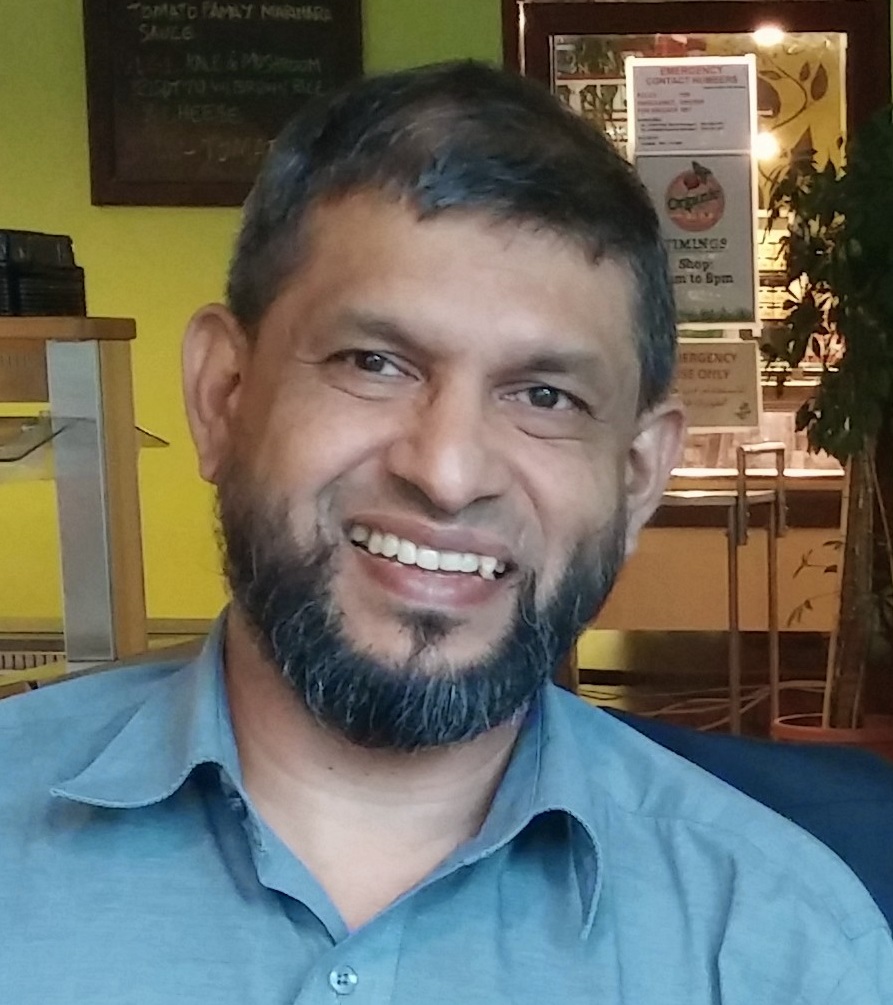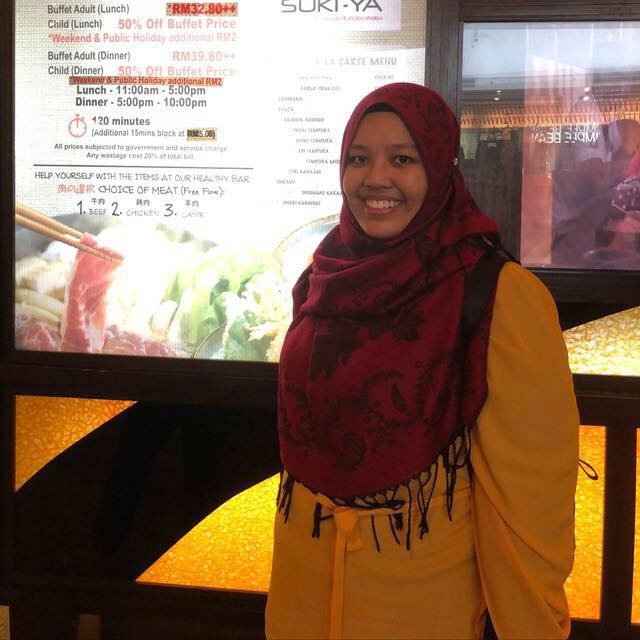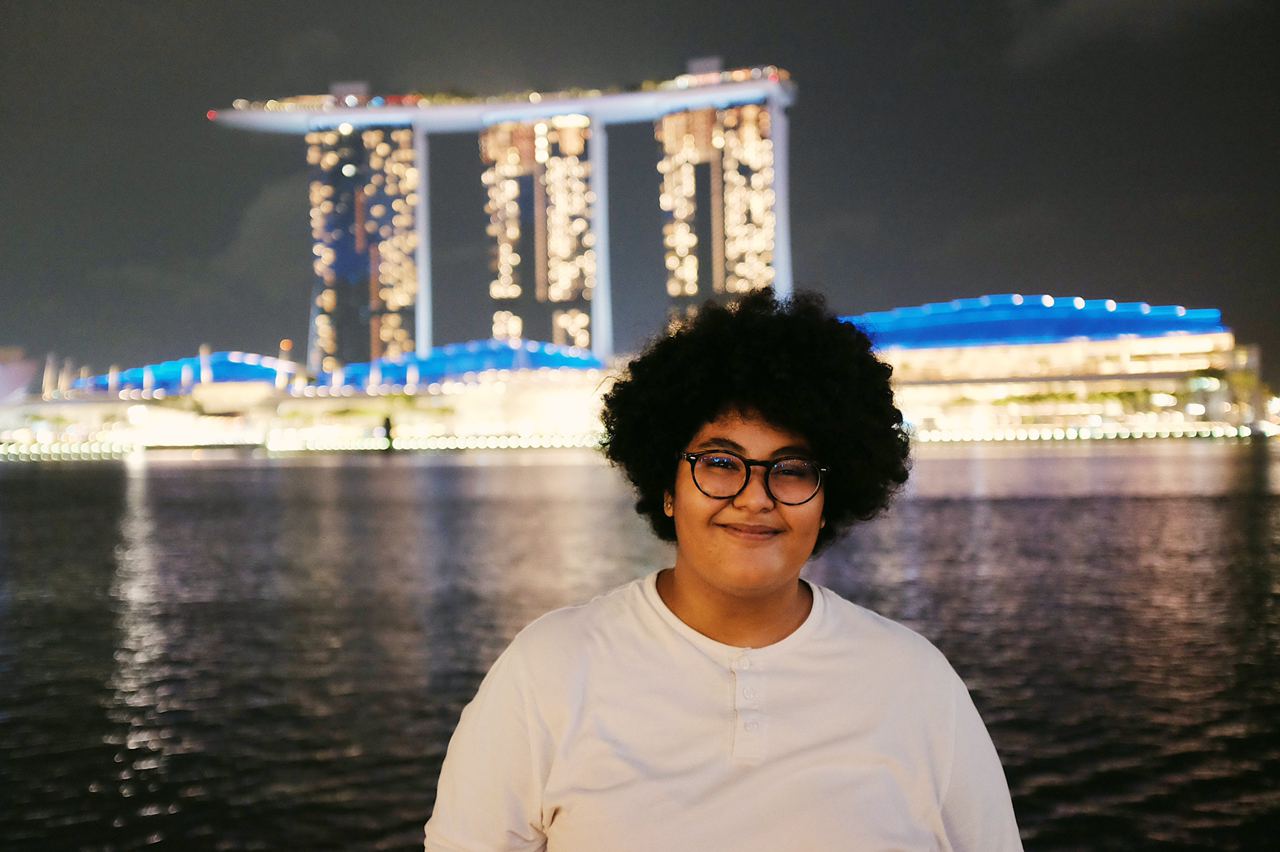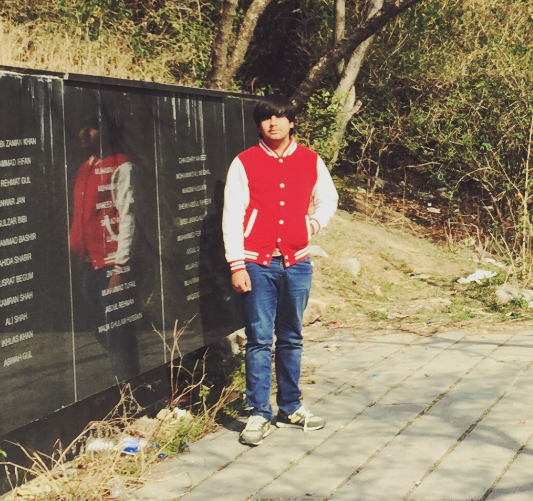
In a rapidly evolving travel landscape, Muslim travelers are seeking journeys that connect them with the soul of a place, through its people, food, traditions, and stories. The Halal Travel Trends 2025 report highlights Immersive Experience as a defining dimension of the RIDA framework, one that invites travelers to step beyond the ordinary and engage all their senses in ways that are spiritually, emotionally, and culturally enriching.
Whether through food, sports, solitude, or community interaction, immersive travel fosters deeper understanding and lasting memories. Below, we explore four key themes reshaping how Muslim travelers immerse themselves in the world.
The Local Flavours: Savoring Culture Through Cuisine
Food is far more than fuel. It’s a language, a heritage, and a gateway to culture. For Muslim travelers, immersive culinary tourism brings exciting opportunities to connect with a destination’s roots through local flavours. Culinary tourism ranks among the most anticipated travel activities, yet many destinations fall short when it comes to offering Halal versions of traditional meals. This limits the ability of Muslim visitors to truly engage with local food culture. By bridging the gap between authenticity and accessibility, destinations can curate an amazing food experience and introduce it to a broader market.
Restaurants and tourism boards are encouraged to develop Halal food trails, guided by local Muslim chefs or food historians, offering insight into not just how dishes are made but why they matter. Cooking classes, street food tours, and storytelling through food create experiences that are rich in heritage and flavour — and rooted in respect for dietary values.
Sport Tourism: Where Faith and Adrenaline Meet
Sport tourism now accounts for an estimated 10% of global tourism and is projected to grow rapidly in the next decade. Muslim travelers, too, are increasingly drawn to live sports events, active adventure getaways, and fitness-centered holidays that seek both excitement and spiritual balance.
From the World Cups to marathons and surfing festivals, sport tourism offers a blend of adrenaline, community, and cultural discovery. For many Muslim travelers, this is about more than just spectating. It’s about feeling part of something global with a shared celebration of human energy, unity, and perseverance.
However, barriers such as the lack of Halal food, prayer spaces, and gender-sensitive amenities at sporting venues remain. Destinations that address these gaps by providing Muslim-friendly facilities, such as alcohol-free zones and clearly labelled Halal dining, can create inclusive, family-friendly experiences that elevate sport tourism into something far more meaningful than a game.
The Freedom of Solo Travel: Independent, Reflective, and Empowered
Solo travel has soared in popularity in recent years, particularly among Millennial and Gen Z travelers seeking freedom, flexibility, and personal growth. Muslim solo travelers are increasingly part of this wave, planning out journeys that are deeply personal, spiritually attuned, and rooted in self-discovery.
Whether traveling for work or leisure, solo travelers are drawn to the idea of crafting their own path. They want to move at their own pace, linger in places that resonate with them, and reflect on their surroundings. For Muslim solo travelers, safety, modesty, and access to faith-based facilities are critical. The rise of women-friendly accommodations, women-led tours, and homestays with Muslim families reflects a positive shift toward solo travel that respects both independence and religious needs.
Destinations that offer culturally sensitive support, such as safe neighbourhoods, prayer-friendly lodging, and gender-inclusive spaces which can foster confidence and comfort. In return, they welcome travelers who are curious and deeply engaged.
A Journey of Moments, Not Miles: The Rise of Slow Travel
“Slow travel encourages deeper connections with fewer destinations, fostering meaningful experiences through local immersion and sustainability.”
Dr. Anang Sutono, Associate Professor of NHI Bandung Tourism Polytechnic
In a world obsessed with speed and quantity, the slow travel movement offers a refreshing counterpoint. It’s about immersing oneself in a place with intention, such as staying longer, doing less, but experiencing more.
Muslim travelers are increasingly resonating with this approach, which aligns beautifully with Islamic values of reflection, balance (mizan), and mindful living. Slow travel allows for meaningful engagement: participating in local traditions, volunteering in the community, joining communal prayers, or learning traditional crafts.
Instead of chasing highlights, slow travelers seek out quiet joys: sharing a meal with a host family, strolling through neighbourhood markets, or observing the rhythm of local life. Destinations that facilitate cultural intimacy and provide faith-friendly infrastructure can offer travelers a richer journey.
Immersion with Intention
As the travel industry evolves, it is clear that Muslim travelers are no longer content with simply visiting a place — they want to feel, taste, and understand it. Immersive travel isn’t about extravagance or spectacle, but about depth, connection, and integrity.
From Halal culinary trails and inclusive sports venues to solo adventures and slow travel sanctuaries, the immersive experience dimension of the RIDA framework offers a blueprint for destinations to create travel that connects people and place, in aspects of cultural, emotional, and spiritual.
For Muslim travelers, these experiences are enriching. They reflect a worldview where exploration is guided by purpose, where every journey is a step toward understanding — both the world and oneself.
Prefer to listen? Get the audio summary of this article here.