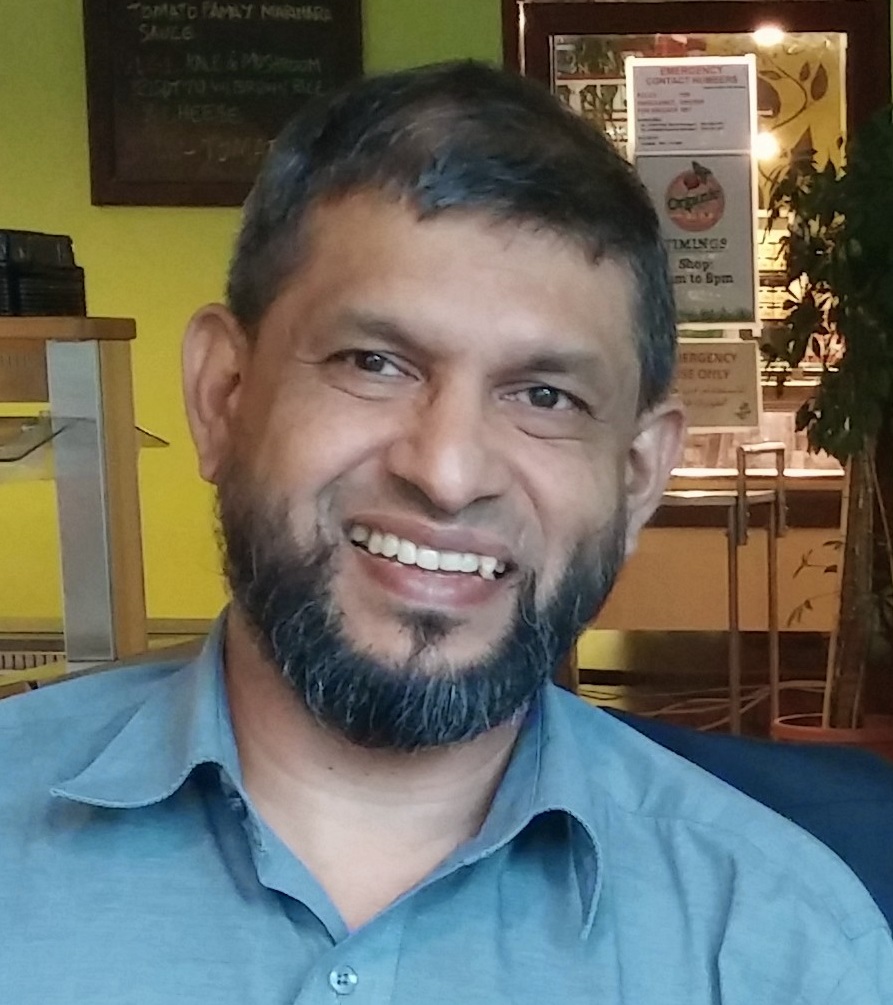
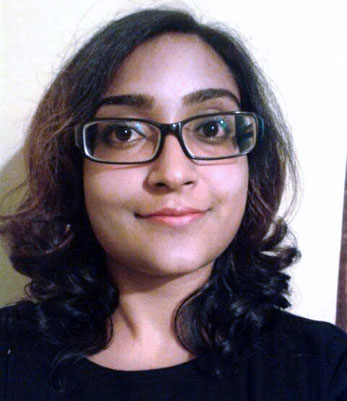
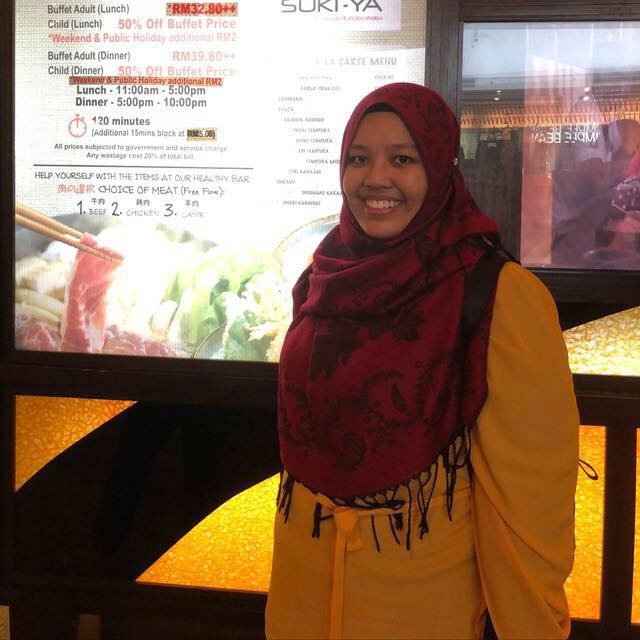
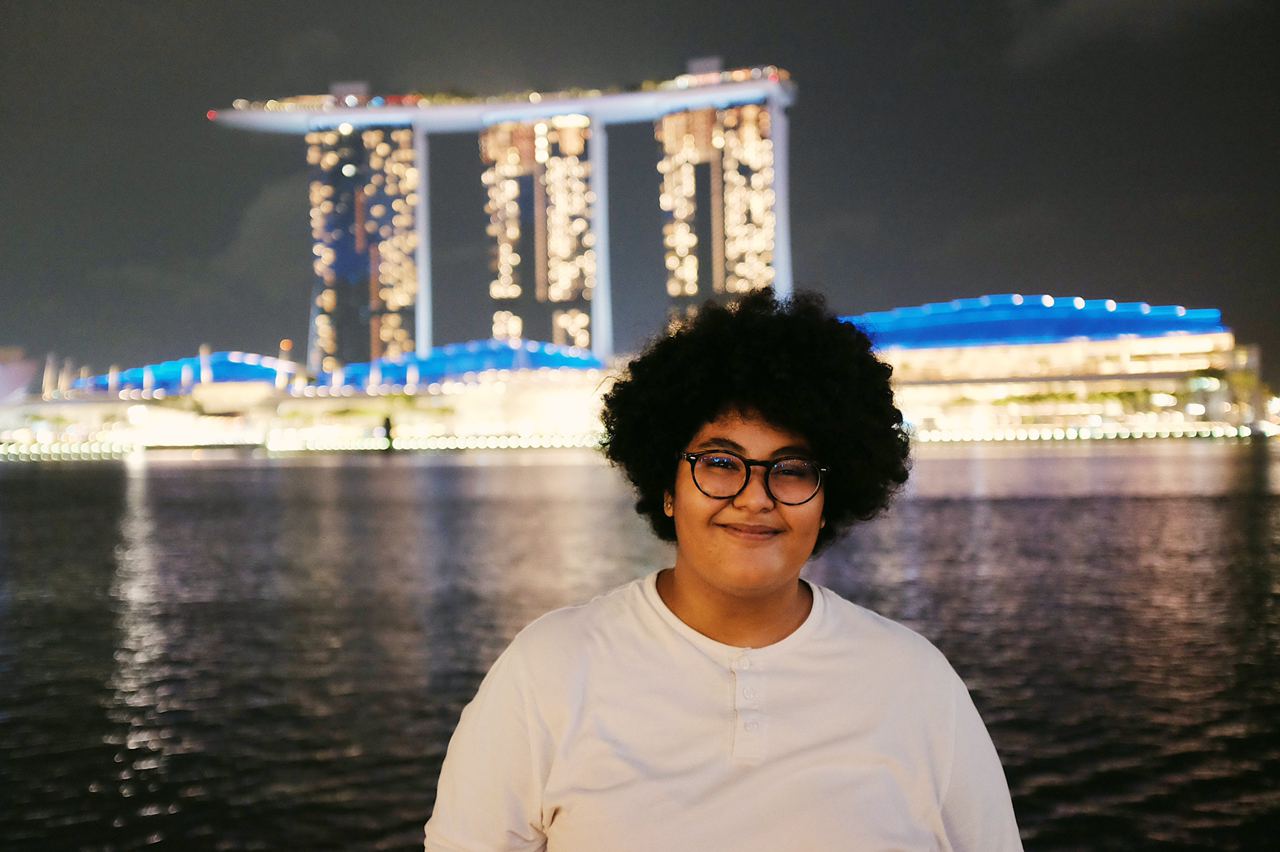
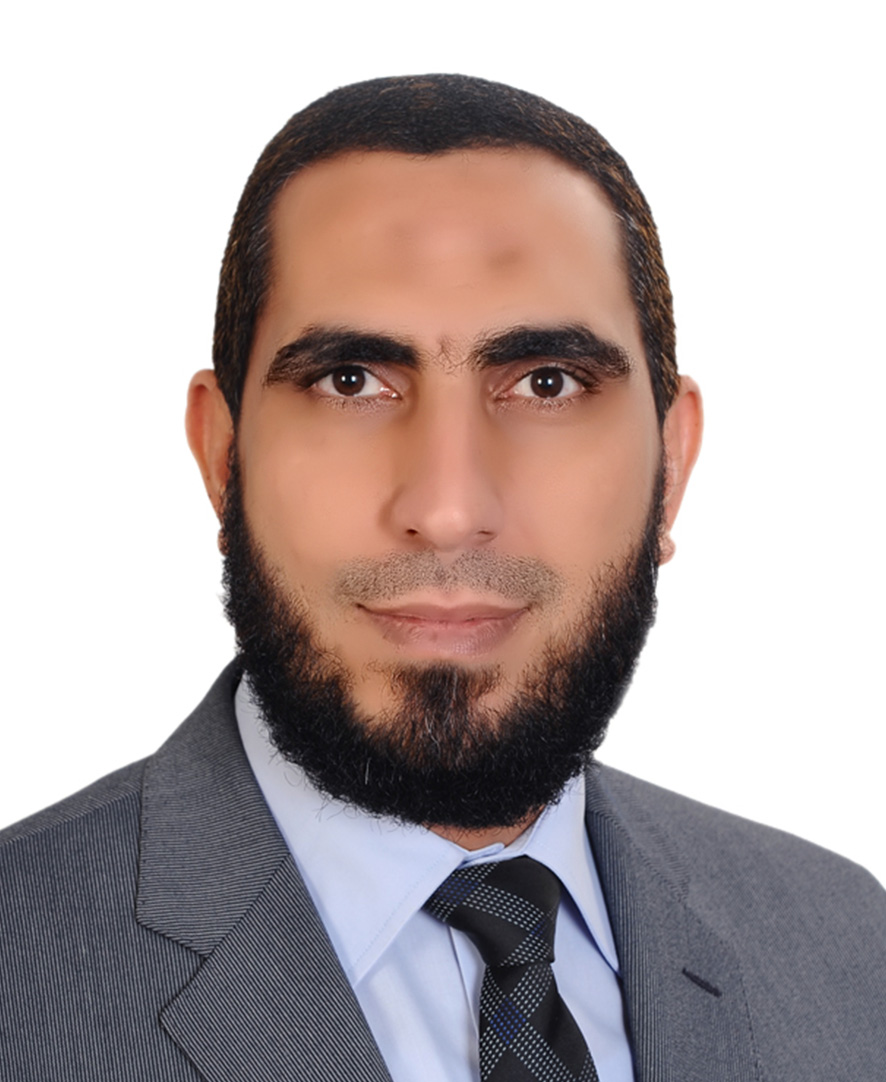
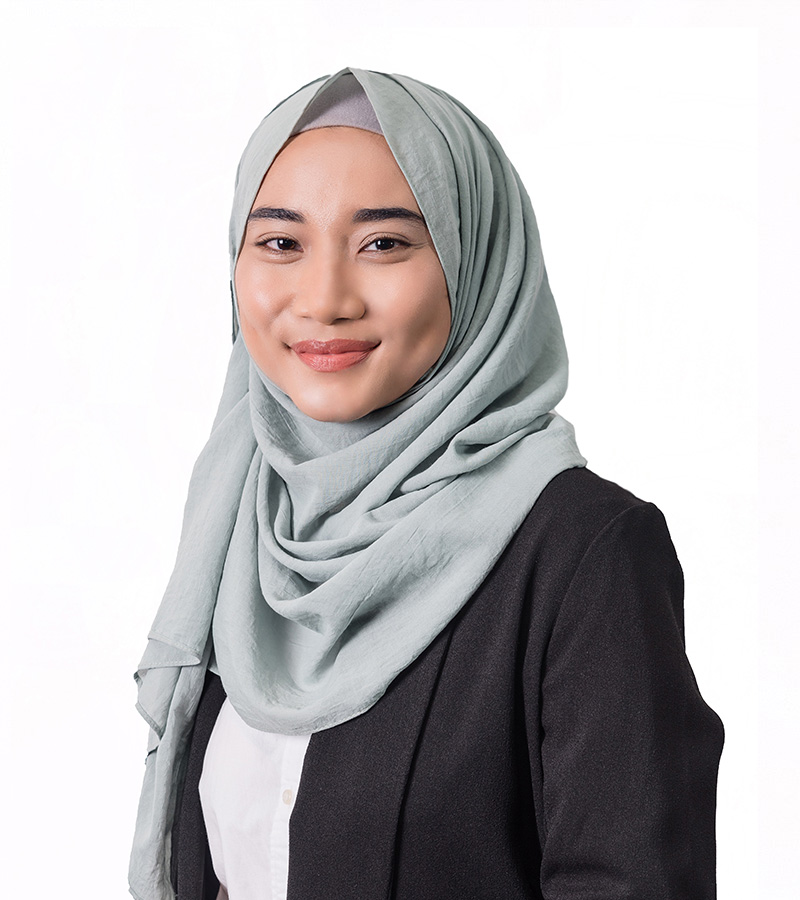
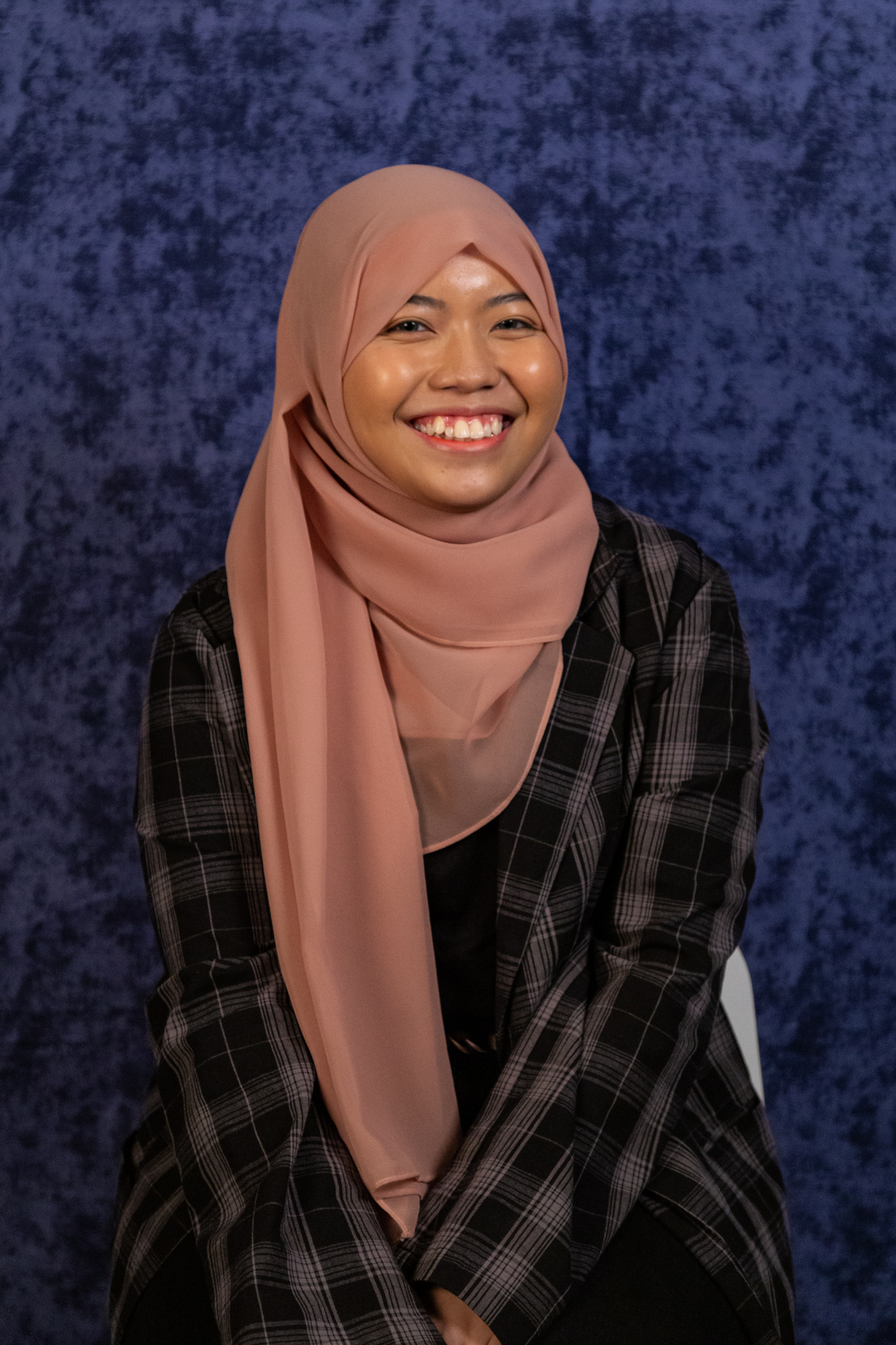
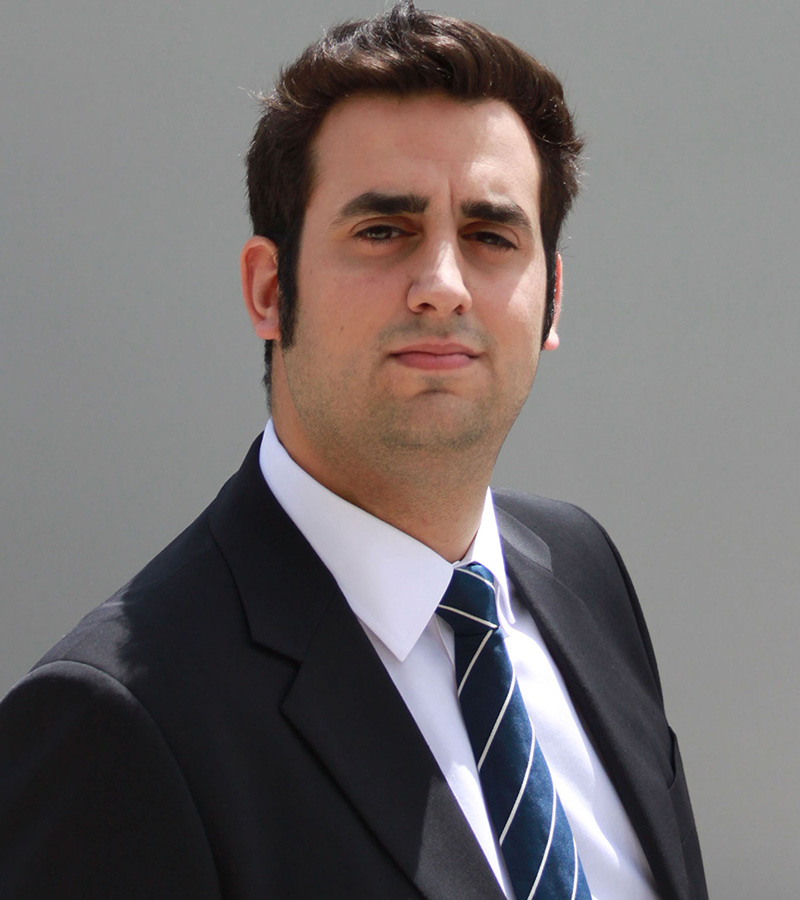
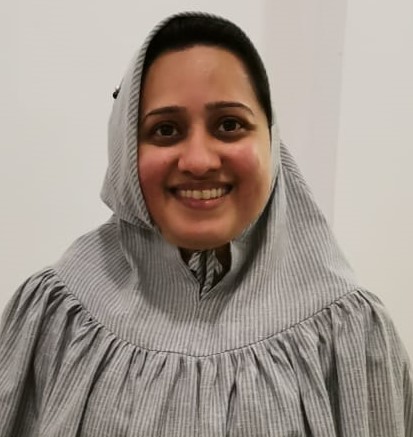
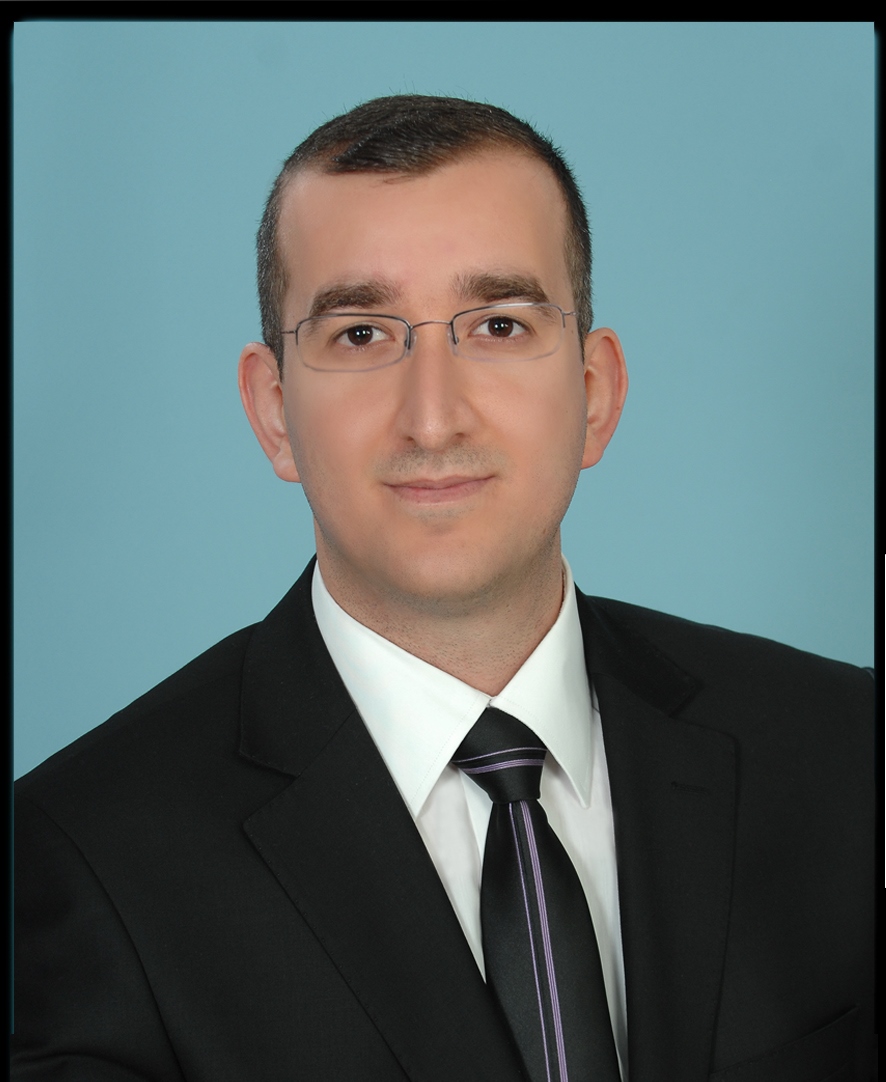
Often referred to as a "niche," this segment is anything but. With a projected 245 million Muslim traveler arrivals by 2030, industry experts are challenging long-held assumptions and calling for a recalibration of how the Muslim travel segment is perceived, positioned, and promoted. This was the core focus of the session "From Niche to Mainstream: Unlocking the Muslim Travel Market", held during the Halal in Travel Global Summit 2025, moderated by Soon Hwa Wong (PATA Ambassador), the session features Sarah Wan (Klook), Cleofe Albiso (Megaworld Hotels and Resorts), and James Tung (Ngong Ping 360 Limited).
At the outset, the session addressed an important question: Why do we continue to call the Muslim travel market a niche when its size rivals or exceeds some of the most prominent global markets?
While China sees 140 to 150 million outbound travelers annually, and India around 40 million, the Muslim travel segment is on track to hit 245 million in just a few years. Korea and Saudi Arabia hover at the 20-million mark each. These comparisons set the stage for an important realization: the Muslim travel market is not a niche, it is a powerhouse.
The real question is no longer whether being Muslim-friendly is a “nice-to-have” but whether it is now a “must-have” for destinations and travel providers looking to thrive in an increasingly competitive global landscape.
Three key voices shared their practical experience during the panel, offering real-world perspectives on what it takes to engage with the Muslim travel market meaningfully.
Sarah, speaking from her experience across Singapore, Malaysia, and Indonesia, noted that understanding the Muslim travel market begins with data. She credited the Global Muslim Travel Index (GMTI) with providing the essential metrics and benchmarking tools needed to build a compelling business case.
Post-pandemic, she observed a strong revival of interest in halal travel, and this momentum has been vital in convincing stakeholders to invest in Muslim-friendly offerings. According to Sarah, having reliable data was not only helpful for internal justification—it was key to shaping external partnerships and fine-tuning destination strategies.
Cleo, representing Megaworld Hotels and Resorts in the Philippines, shared a different but equally impactful journey. In collaboration with the Department of Tourism, Cleo spearheaded initiatives to position the Philippines as a Muslim-friendly destination.
A memorandum of understanding was signed to formalize their commitment. As a result, 13 hotels within their portfolio received halal certification, and select kitchens were adjusted to meet halal standards. One of their standout projects involved transforming a beach cove in Boracay into “Marhaba Beach,” the first Muslim-friendly beach in the country. This conversion involved not just physical upgrades but cultural sensitivity considerations, reinforcing the importance of adapting spaces with authenticity.
Cleo’s work demonstrated how destination branding could evolve when supported by coordinated efforts between the government and the private sector. The result was a more inclusive tourism offering without sacrificing the unique appeal of the destination.
James, representing Ngong Ping 360 in Hong Kong, reflected on a 10-year transformation that started with small, incremental steps. The process began with recruiting halal-certified restaurants and participating in prominent travel expos. But it didn’t stop there.
Recognizing the evolving needs of Muslim travelers, James and his team introduced prayer room facilities, ablution areas, and clear signage. They also initiated cultural sensitivity training for frontline staff to ensure a more welcoming environment.
What made the Hong Kong story unique was the unified support of the Hong Kong Tourism Board. Rather than relying on individual attractions to act alone, the city rallied together as a destination to develop a cohesive Muslim-friendly ecosystem. It was, as James emphasized, a “Team Hong Kong” approach.
A recurring theme throughout the panel was the distinction between certification and success. While certification by organizations such as CrescentRating is a vital entry point, the panelists were unanimous in their view that it does not automatically translate into increased bookings.
James noted that simply being certified is not enough to attract travelers. Businesses must communicate their offerings, highlight what makes them unique, and reassure Muslim visitors that their needs will be met with care and respect.
Sarah added that after indicating Muslim-friendly experiences on Klook with the CrescentRating’s activities rating, they saw a 12% increase in conversion rates. This data-driven insight illustrates that addressing consumer needs directly leads to tangible business outcomes.
Going beyond facilities, the panelists stressed the need for ongoing staff education. Cleo pointed out that cultural understanding cannot be confined to policy. It must be embodied by the people on the ground. From front-desk teams to kitchen staff, everyone plays a role in shaping the visitor experience.
The goal isn’t just to tick a checklist but to foster an environment of genuine hospitality. That means going beyond the minimum requirements to offer personalized, culturally aware service that resonates with Muslim travelers.
James agreed, noting that building a Muslim-friendly attraction isn’t a one-time project. It requires maintenance, feedback loops, and regular training to ensure that the experience remains relevant and respectful as expectations evolve.
As the conversation progressed, the panel turned toward the broader ecosystem of Muslim-friendly travel. From airlines and airports to hotels, restaurants, and attractions, the Muslim travel experience spans multiple touchpoints. Fragmented efforts will only go so far.
What’s needed now is industry-wide collaboration. When different sectors align their offerings, such as coordinated marketing campaigns, bundled experiences, and common training standards, the destination as a whole becomes more attractive.
The panel closed with a call to action: it's time to embrace halal tourism not as a trend but as a strategic imperative. The transition from niche to mainstream is already in progress. Industry players must now decide whether they want to lead, follow, or be left behind.
The Muslim travel market has long been underestimated. But as the numbers grow and the demographic’s influence becomes more visible, the conversation is shifting. No longer confined to specific countries or regions, Muslim travelers are now a global force with well-defined preferences and significant economic power.
What the Halal in Travel Global Summit 2025 made clear is this: the future of tourism will be inclusive.
Certification is no longer optional. Cultural fluency is no longer secondary. And collaboration is no longer a luxury. These are the foundations of what it takes to thrive in a marketplace that is expanding by the day.
Watch the full panel on YouTube here.
To see more of the Halal In Travel Global Summit 2025 sessions, please visit this page.