As the global travel landscape evolves, destinations around the world are reevaluating their tourism strategies to better serve the Muslim travel market. At the Halal in Travel Global Summit 2025, Her Excellency Rabia Shafiq, High Commissioner of Pakistan to Singapore, presented a compelling case for Pakistan as a vibrant, halal-friendly, and welcoming destination. Her message was clear: Pakistan is ready to offer travelers not just scenic wonders and cultural depth, but an experience rooted in authenticity, safety, and warm hospitality.
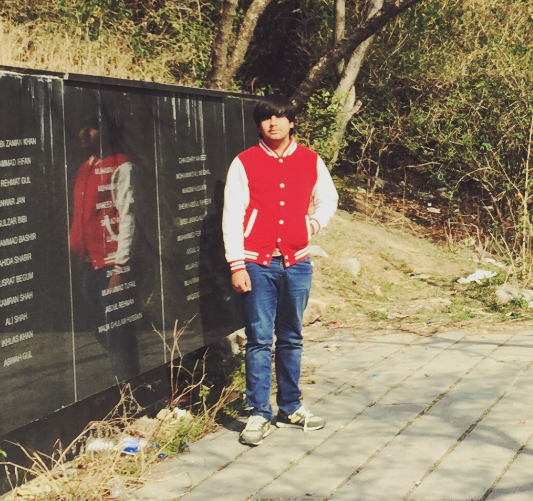
Image credit: Aakash Ashraf on Pexels
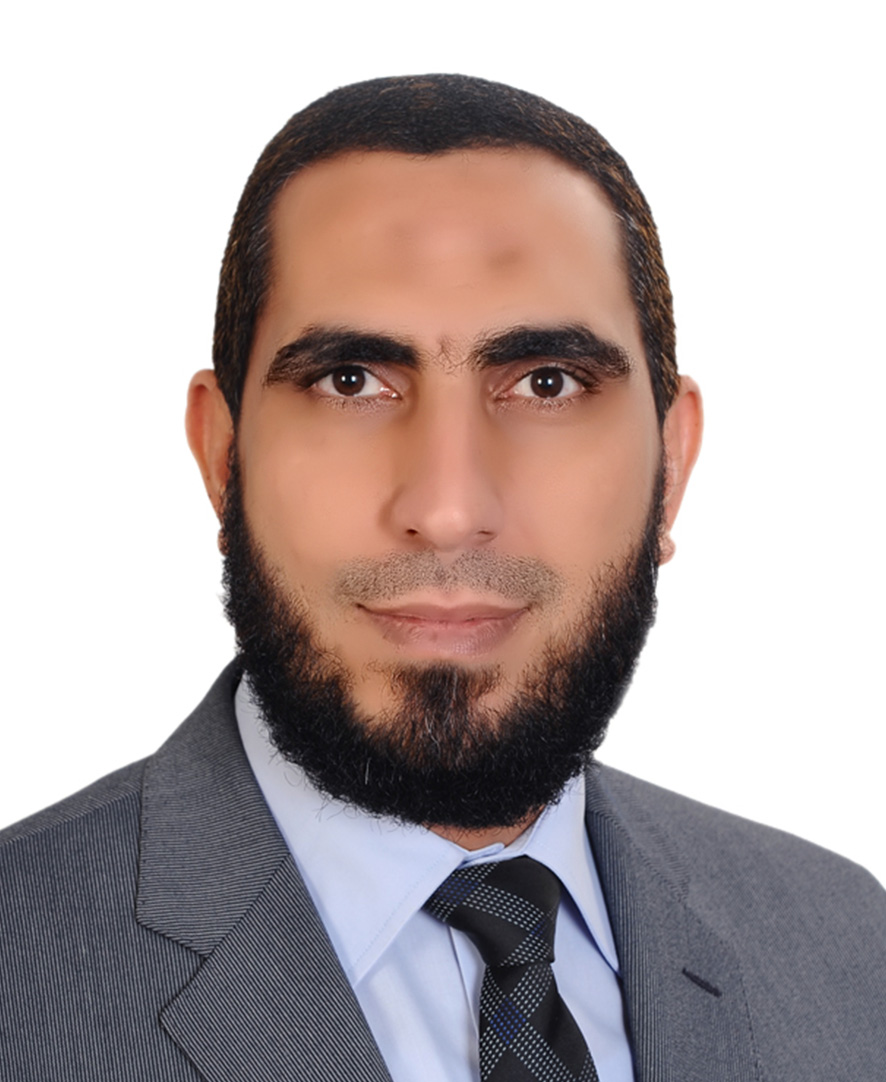
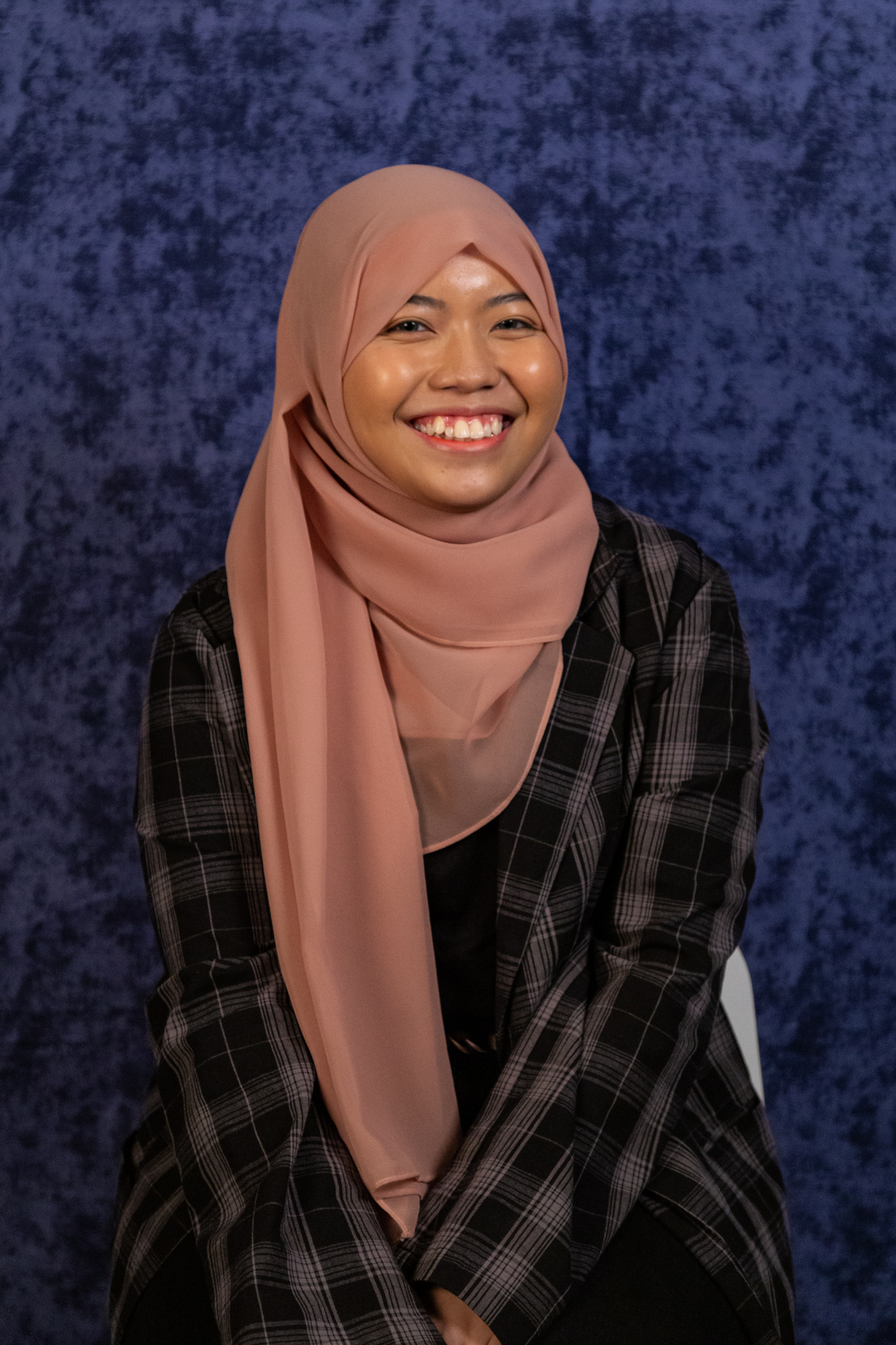
Opening her address with gratitude and a warm greeting, Her Excellency emphasized that while many destinations boast beautiful landscapes and heritage, Pakistan’s defining quality is its people. The warmth and hospitality extended to visitors are not mere courtesy—they are a core part of the culture.
This innate hospitality, she noted, is one of Pakistan’s greatest assets. While photos can capture mountains and architecture, it is the human connection that leaves a lasting impression on visitors. In a travel environment where genuine experiences matter more than ever, Pakistan stands apart by offering not just sights to see, but a community ready to welcome the world.
Image credit: Aa Dil on Pexels
As an Islamic Republic, Pakistan is inherently aligned with the needs of Muslim travelers. From halal dining to facilities for prayer, the country’s infrastructure naturally supports those observing Islamic practices. Rather than needing to adapt or retrofit, Pakistan operates on a foundation where Muslim-friendly travel is not an option, but rather the default.
Her Excellency highlighted this alignment as one of the key reasons why Pakistan is uniquely positioned to serve the Muslim travel market. The entire ecosystem, from its food offerings to public facilities, reinforces a seamless and authentic halal experience. For Muslim travelers looking for a destination where their values are reflected and respected, Pakistan presents a natural and compelling choice.
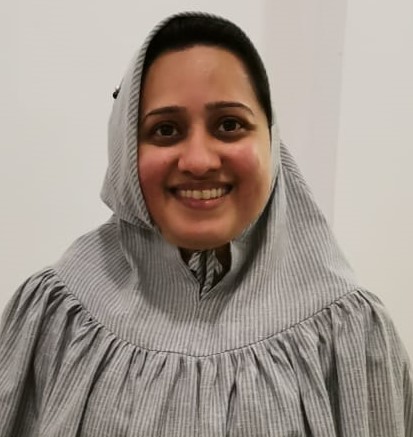
Acknowledging global concerns about women’s safety in travel, Her Excellency addressed the topic directly. Speaking from her own experiences as a Pakistani woman who frequently travels within the country, she affirmed that Pakistan is a safe destination for women.
She emphasized that respect towards women is deeply embedded in the cultural fabric of Pakistani society. This, coupled with the increasing visibility of female travelers, has helped create an environment where women, both local and foreign, can explore the country with confidence. The message was clear: Pakistan is not only safe for women, but also empowering for those seeking to travel independently.
Pakistan’s geographic diversity is among its most striking features. Located at the crossroads of South Asia, Central Asia, and the Middle East, the country is home to a breathtaking variety of landscapes and heritage sites.
From the towering peaks of the north, including access to the base camp of K2, the world’s second-highest mountain, to verdant valleys, deserts, and ancient cities, Pakistan offers a sensory journey through both nature and history. The country’s positioning has made it a convergence point for civilizations over centuries, resulting in a rich mosaic of religious and cultural heritage.
Her Excellency also pointed to the incredible culinary diversity that spans the four provinces of Pakistan. Each region offers its own distinctive flavors and dishes, shaped by geography, history, and local customs. For food lovers, this makes Pakistan a dynamic destination; every province is an invitation to explore a new culinary identity.
Tourism growth in Pakistan has been catalyzed by a suite of government-led initiatives aimed at removing barriers and improving accessibility. One of the most significant developments is the streamlined visa process. Citizens from 60 countries now have access to visa-on-arrival services. Additionally, travelers from 175 countries can apply for visas through an efficient online portal, drastically simplifying pre-travel logistics.
This ease of access, Her Excellency emphasized, is part of a broader government strategy to position Pakistan as both a welcoming and logistically feasible destination for international visitors. By removing red tape and embracing digital platforms, the country is taking significant steps toward becoming a competitive global destination.
Improving access isn’t just about visas, but about infrastructure. Her Excellency underscored the government’s ongoing investment in tourism infrastructure, with a focus on making the country’s hidden gems easier to reach and more comfortable to explore.
Expanded road networks are now linking urban centers with remote valleys and mountainous regions. Newly built and upgraded airports, including the Skardu International Airport, are bringing travelers closer to iconic destinations like the Karakoram Range. These investments are not just about convenience; they represent a larger commitment to transforming Pakistan into a destination where travel is both inspiring and accessible.
Complementing this are eco-tourism lodges and resorts developed through public-private partnerships. These initiatives aim to promote sustainable tourism while ensuring travelers can enjoy natural beauty without compromising on comfort or values.
Beyond infrastructure, Her Excellency pointed to a growing emphasis on community-based tourism. This approach not only empowers local communities but also enriches the traveler’s experience. Visitors can now engage with daily life in villages, participate in local traditions, and gain a deeper understanding of the region’s heritage.
This model promotes sustainable tourism practices, ensuring that economic benefits are shared locally and that development aligns with cultural preservation. It also appeals to travelers who seek more than surface-level exploration and want meaningful, immersive experiences grounded in local realities.
As the global Muslim travel market continues to grow, destinations are recognizing the need to provide tailored, authentic, and accessible experiences. With policy support, cultural alignment, and ongoing investment, the country is shaping itself into a destination that doesn’t just meet the needs of Muslim travelers, but welcomes them.
The presentation at the Halal in Travel Global Summit 2025 was more than a tourism pitch. It was a statement of confidence from a country that knows what it offers: a powerful mix of natural beauty, cultural depth, and heartfelt hospitality. As more travelers seek destinations that reflect their values and open new perspectives, Pakistan is stepping forward with open arms.
Watch the full panel on YouTube here.
To see more of the Halal In Travel Global Summit 2025 sessions, please visit this page.